


I’ve been contemplating how to create a memorable category system that covers the essential areas of survival and the related items that are helpful to that end. I pondered a comprehensive system that goes beyond the basics to cover all aspects of survival, combining traditional wisdom with modern insights to create a survival gear and skills framework that’s both intuitive and in-depth.
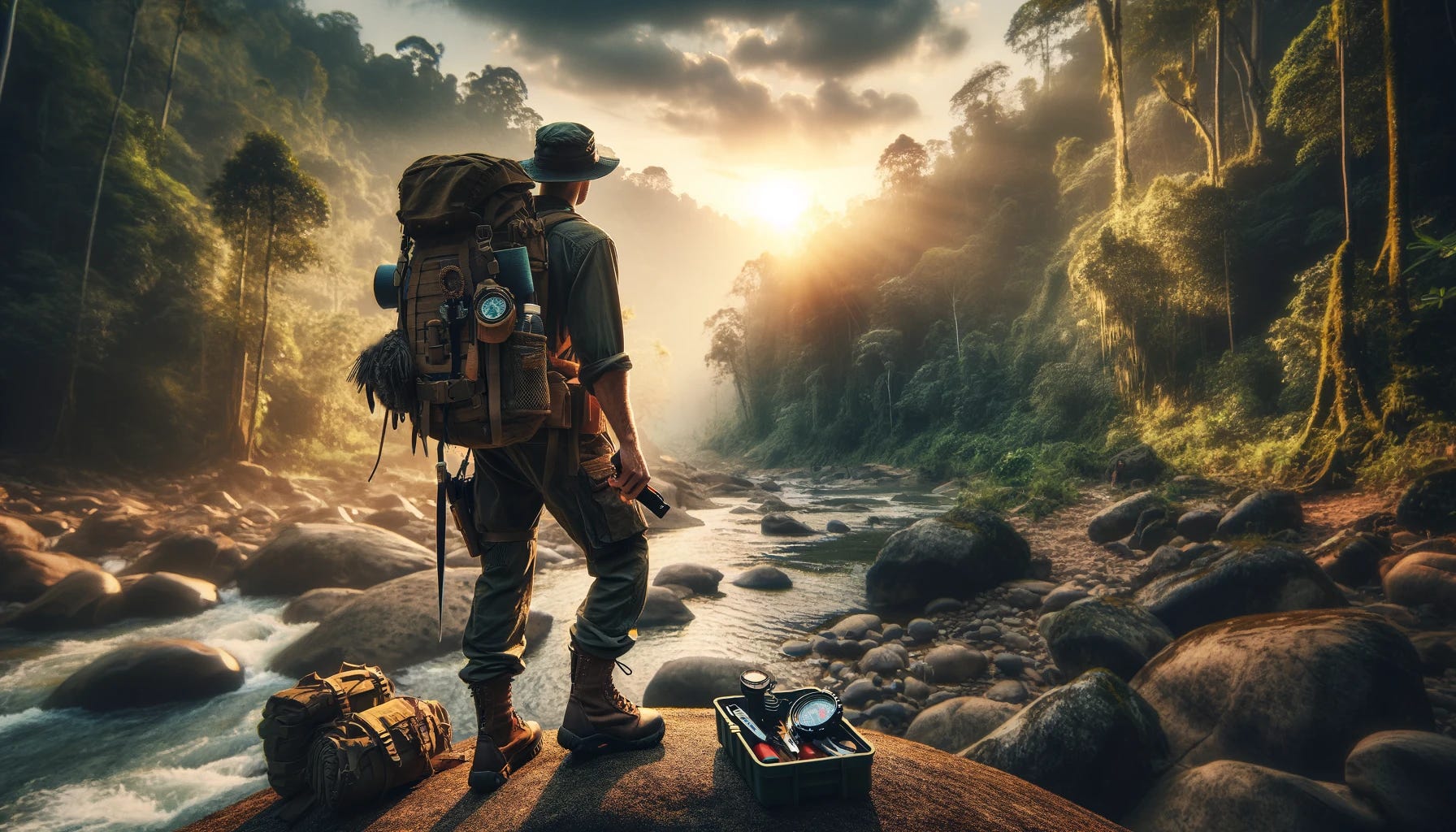
Enter the "12 S-entials for Survival," a system designed to ensure that anyone stepping into the wilderness can manage their basic needs: shelter, water, food, and navigation, while also being prepared for emergencies with signaling and first aid. But it goes further, addressing the importance of physical and mental resilience, and the ability to repair and maintain gear.
Let’s jump right into the 12 Ss.
1. Slicing
In survival situations, the ability to cut, carve, and manipulate materials is essential. Cutting tools such as knives, axes, and saws serve myriad purposes, from preparing food and fashioning shelter to self-defense and crafting tools. A reliable knife, for instance, is indispensable for precision tasks like preparing tinder or skinning game. Axes, on the other hand, are invaluable for chopping wood for fires and shelters, while saws can make short work of cutting branches for construction or firewood. Each tool has its unique strengths, making a combination of these cutting instruments a cornerstone of any well-equipped survival kit.
2. Shelter
Protection against the elements is a fundamental human need, especially in survival scenarios where exposure to harsh conditions can quickly lead to hypothermia or heatstroke. Shelter offers a refuge from wind, rain, sun, and cold, preserving body heat and providing a base of operations. This includes not only structures we seek respite within, but the clothing on our backs, and the sleep systems we utilize. Grasping the use of natural materials such as branches, leaves, and snow for crafting shelters and ensuring insulation, alongside the importance of man-made items like tarps, sleeping bags, and base layers, is vital for survival. Beyond gear, it is crucial to understand the environment and how to work with, not against it, to maintain a safe body temperature.
3. Spark
Fire is a survival multitool: it provides warmth, cooks food, purifies water, signals for help, and offers psychological comfort. Thus, the ability to start a fire under various conditions is a survival skill par excellence. Fire-starting tools range from matches and lighters to flint and steel, ferro rods, and even battery-based methods. Each has its advantages and scenarios where it excels, but having multiple options and knowing how to use natural tinder can ensure you're never left in the cold.
4. Storage
Water is life, making its storage and purification paramount in survival situations. Containers for water—be it bottles, collapsible reservoirs, or pots for boiling—should be durable, lightweight, and ideally suited for both storage and purification. Boiling is a reliable method to purify water, but chemical treatments and filters can also be lifesavers, especially when mobility is necessary or fuel is scarce.
This category also covers any and all manner of storing your survival gear, including ruck sacks, haver sacks, dry bags or waste belts.
5. Signaling
Being found is often the quickest path to safety in a survival situation. Signaling tools such as whistles, mirrors, and flares can attract rescuers' attention from afar. Modern devices, including GPS beacons and satellite messengers, offer high-tech solutions, but traditional methods like smoke signals and ground-to-air symbols remain effective. The key is visibility or audibility over distance, leveraging any available tool to make your presence known.
6. Sustenance
Securing food in the wilderness requires knowledge and the right tools. While the landscape might offer edible plants, nuts, and fruits, hunting and fishing gear can expand your options. Compact fishing kits, snares, and even simple hand tools for digging can be invaluable for long-term survival, making it crucial to understand local fauna and flora to efficiently gather or hunt food.
7. String
Cordage is a survival multitasker, useful for building shelters, setting traps, repairing gear, and countless other tasks. Paracord, with its strength and versatility, is a popular choice, but natural fibers can also be twisted into effective strings. The key is to have a supply of durable, versatile cordage and the knowledge to use it creatively in a pinch.
8. Scouting
Navigation and the ability to move confidently in unknown terrain are vital survival skills. Tools like compasses, maps, and GPS devices can guide you, but knowledge of natural navigation methods—using the sun, stars, and landmarks—ensures you can always find your way. Scouting your surroundings also involves observing wildlife, identifying resources, and understanding the terrain to make informed decisions about movement and shelter.
9. Shine
Illumination is not just about seeing in the dark—it's about safety, efficiency, and signaling. Light sources like headlamps, flashlights, and lanterns ensure you can navigate, work, and signal after sundown. Choosing durable, energy-efficient lighting, and understanding how to use natural light sources, can make night-time in the wilderness far less daunting.
10. Service
Gear maintenance and repair are as crucial as the gear itself. Items like duct tape, sewing kits, and patch kits enable you to fix clothing, repair shelters, and maintain equipment. A well-serviced kit is reliable, extending the life of your gear and ensuring it's ready when you need it most.
11. Safeguarding
Combining health, hygiene, and safety, safeguarding is about preventing illness and injury. First aid kits, personal protective gear, and hand sanitizer are just the start. Knowing how to use these tools, along with practices for maintaining hygiene, can prevent minor issues from becoming major problems.
12. Strength
Survival is as much a mental game as a physical one. Physical fitness supports endurance and resilience, while mental strength fosters determination, creativity, and problem-solving. Practices like mindfulness, regular physical training, and learning survival skills can build this inner strength, preparing you for the challenges of the wilderness.
Assess Your Survival Kits
As we've explored the "12 S-entials for Survival," it's clear that preparation goes beyond merely packing a bag; it's about adopting a mindset that values readiness, adaptability, and resilience. Now is the perfect time to take a closer look at your survival kit. Does it cover all the bases of the "12 S-entials"? Are there areas you've overlooked or perhaps underestimated? Assessing your current setup and considering these essential categories can significantly enhance your preparedness for any adventure or unforeseen situation.
The Collapse Curriculum is designed to provide a well-rounded approach to covering these 12 Ss and facing challenges with confidence and skill.
Share Your Wisdom and Join Our Community: Your experiences and tips are invaluable, offering unique insights and lessons learned from real-world adventures. We invite you to share your survival stories or tips in the comments below. What challenges have you faced, and how have the "12 S-entials for Survival" helped you navigate them? Your knowledge could inspire and educate others, fostering a community of preparedness and passion for the outdoors.
Stay Connected for More Insights: If you're eager to dive deeper into the world of survival skills, bushcraft, and outdoor adventures, we've got you covered. Sign up for our newsletter to receive the latest tips, guides, and stories right in your inbox. And don't forget to follow us on social media for daily updates, tutorials, and a behind-the-scenes look at survival techniques in action.